




PRIN 2022
Towards Circular and Sustainable Agri-food Systems: Metrics for Assessment
CIRCULAGRIS
Circularity and sustainability in agri-food systems: integrated assessment of wine, olive oil and bread/pasta supply chains through Life Cycle-based methodologies and circularity indicators.
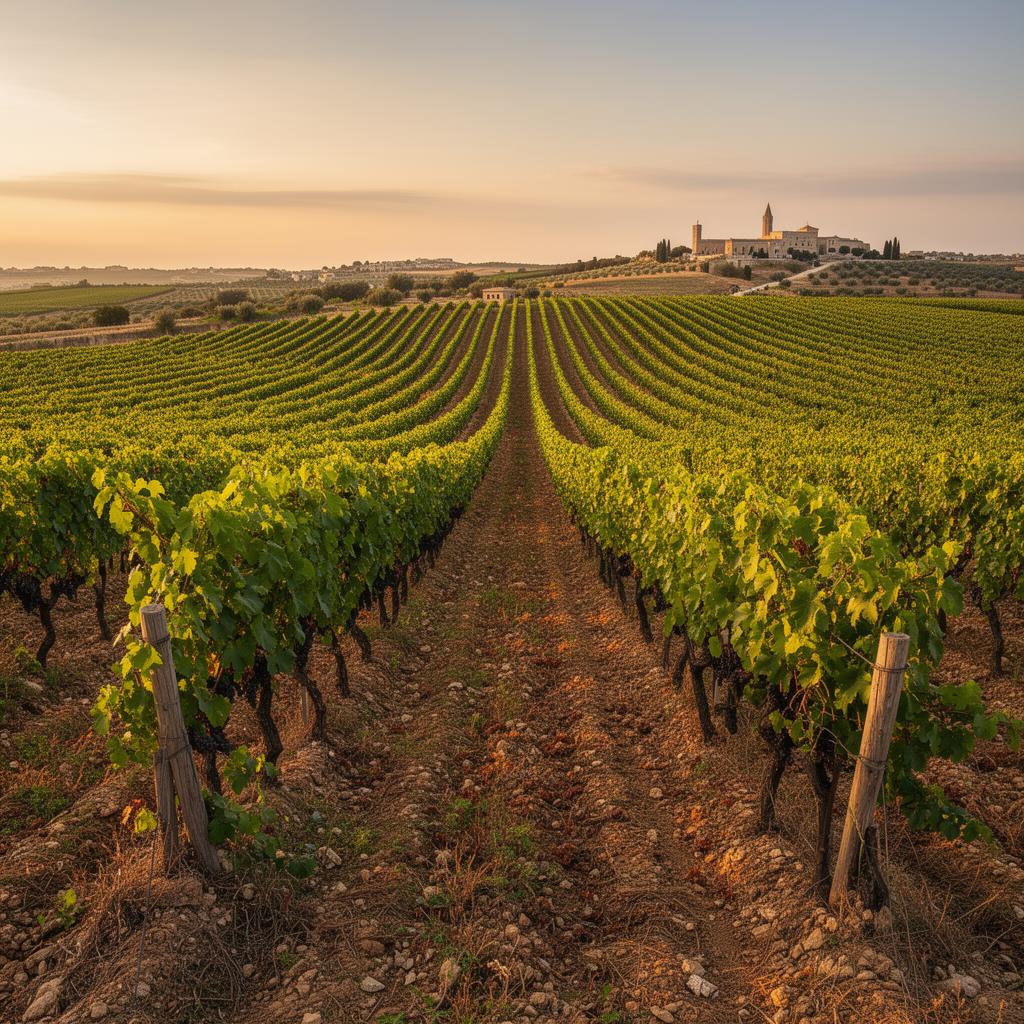
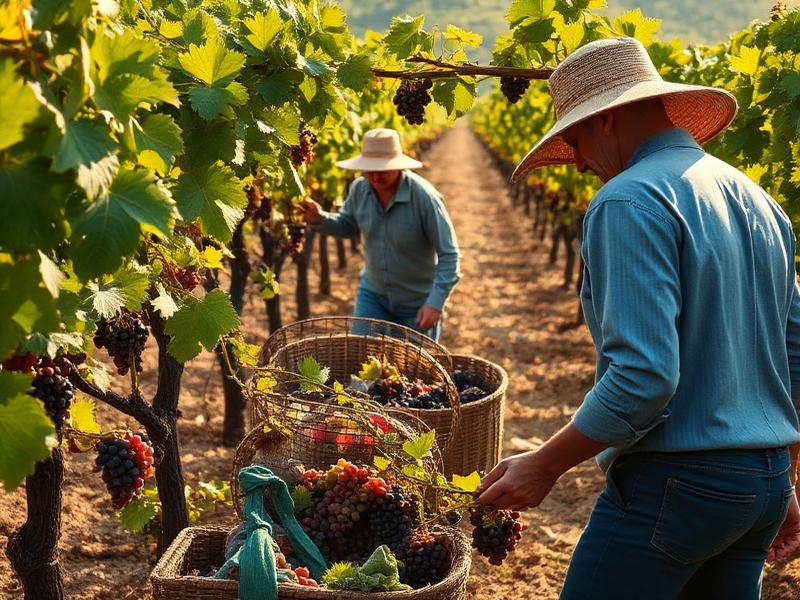
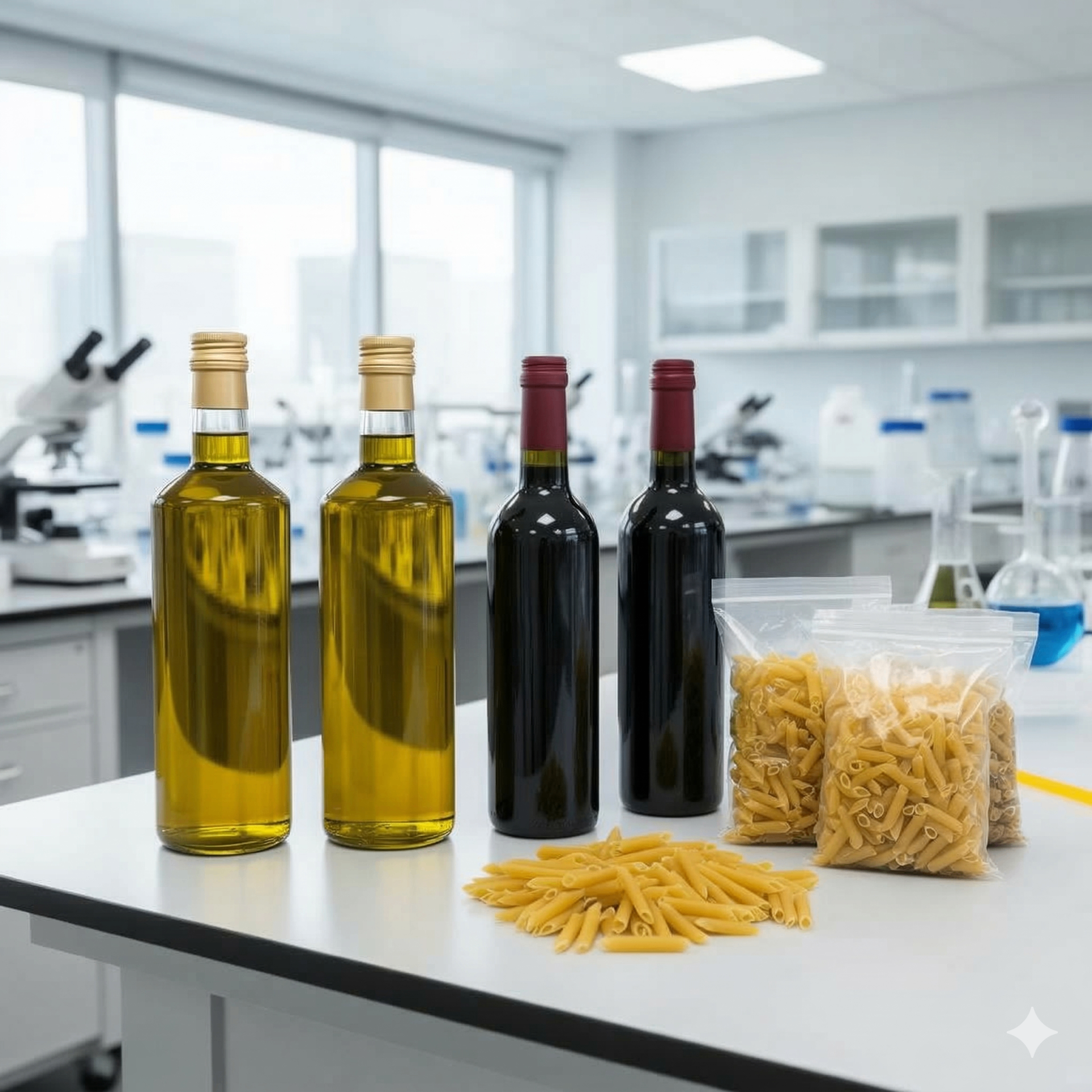
Wine Supply Chain
Supply Chains
- Wine supply chain
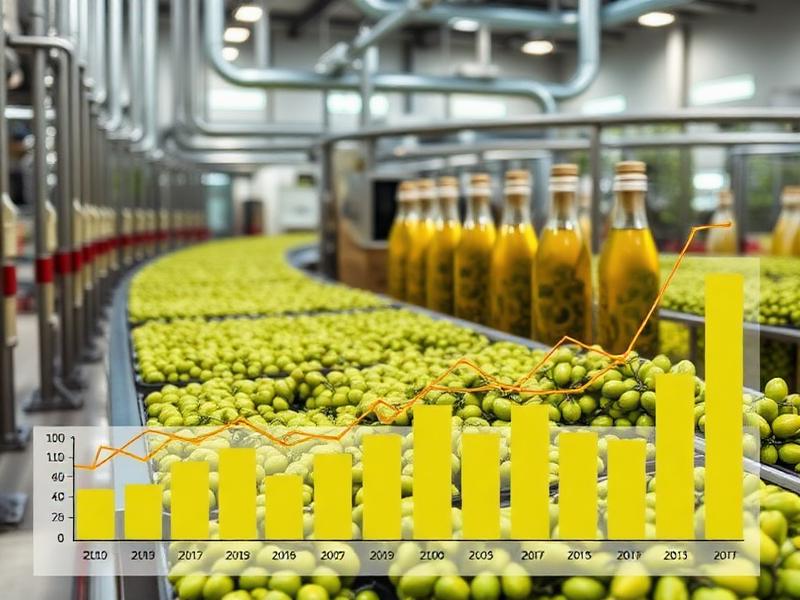
- Olive oil supply chain
- Bread/Pasta supply chain
Life Cycle Assessment
Assessment of potential environmental impacts throughout the entire life cycle following ISO 14040/44 standards.
Social Life Cycle Assessment
Assessment of potential social impacts on stakeholders.
Life Cycle Costing
Analysis of internal costs and externalities.
Circularity Metrics
Quantitative indicators to measure the degree of circularity in agri-food supply chains.
The Project
Circularity and Sustainability Assessment in Agri-food
CIRCULAGRIS is a Research Project of National Interest (PRIN) aimed at developing circularity and sustainability metrics for Italian agri-food supply chains, focusing on wine, olive oil and bread/pasta.
The project integrates Life Cycle Assessment (LCA), Social Life Cycle Assessment (S-LCA) and Life Cycle Costing (LCC) methodologies and circularity indicators to provide a holistic assessment of the environmental, social and economic impacts of circular systems.
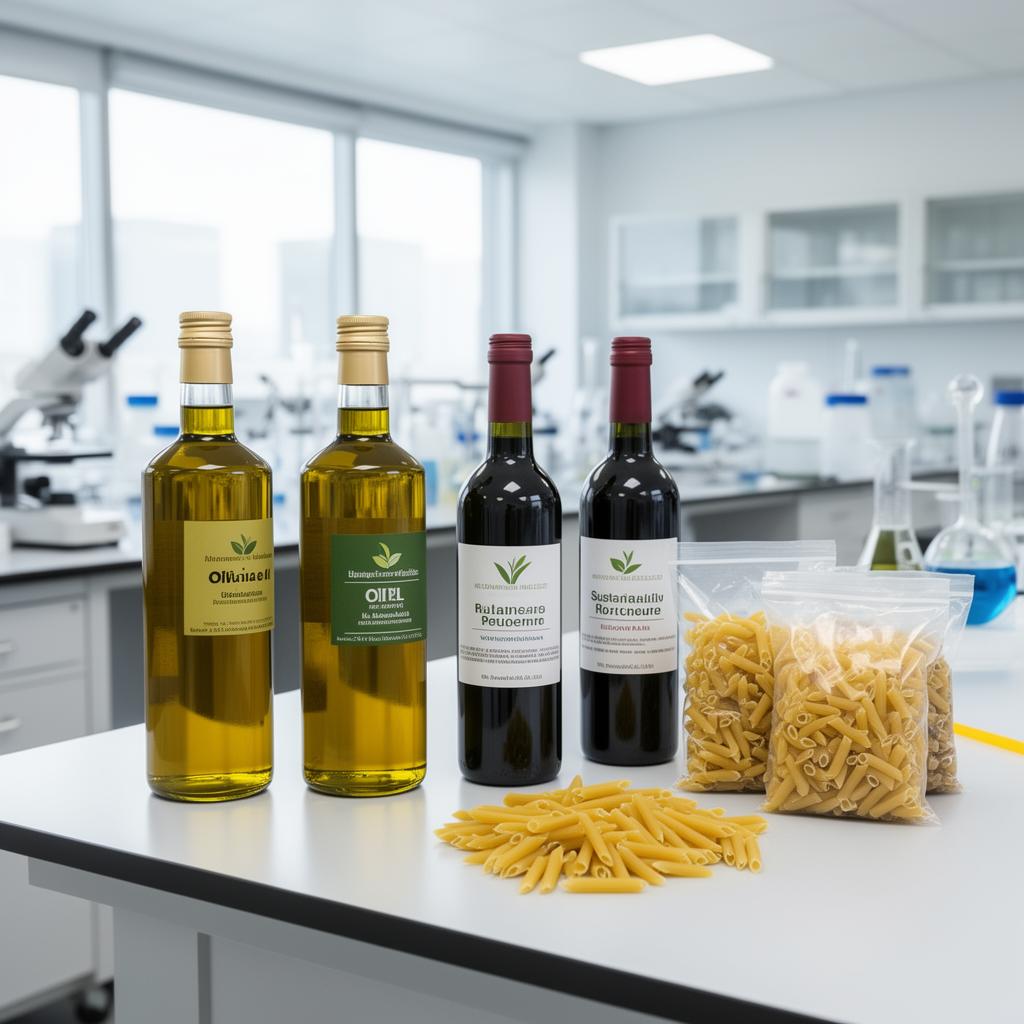
Life Cycle Methodologies
Integrated LCA, S-LCA and LCC framework
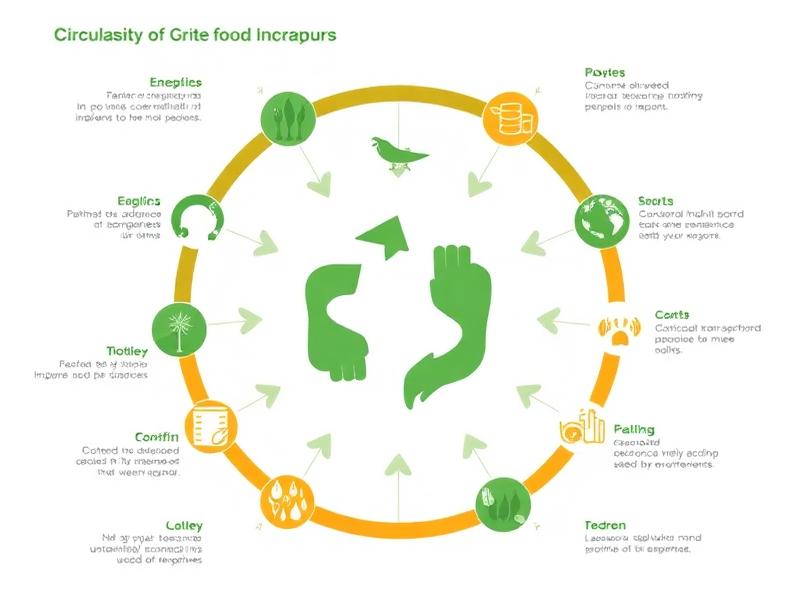
Circularity Indicators
Metrics and indicators for circularity assessment in the agri-food sector
Brief Description
About the Project
Agricultural sustainability lies at the core of numerous European Union initiatives, including the Common Agricultural Policy and the "Farm to Fork Strategy". The latter is pivotal to the implementation of the new European Green Deal (EGD), where the Circular Economy (CE) paradigm has been firmly integrated into both policy and business practices. In Italy, agriculture holds a prominent position.
Scholars emphasise the importance of assessing sustainability impacts at both company and inter-firm levels. A circular supply chain may not always be the most sustainable choice and sustainability impacts should be assessed on a case-by-case basis. When it comes to the agri-food sector, life cycle-based assessment methodologies, i.e., Life Cycle Assessment, Social Life Cycle Assessment and Life Cycle Costing are considered suitable for evaluating sustainability. However, further development of life cycle-based methodologies is necessary for assessing CE practices in an effective way.
This project aims to understand the relationship between circularity and sustainability in this sector, identifying metrics and exploring the impact of circular practices on sustainability.
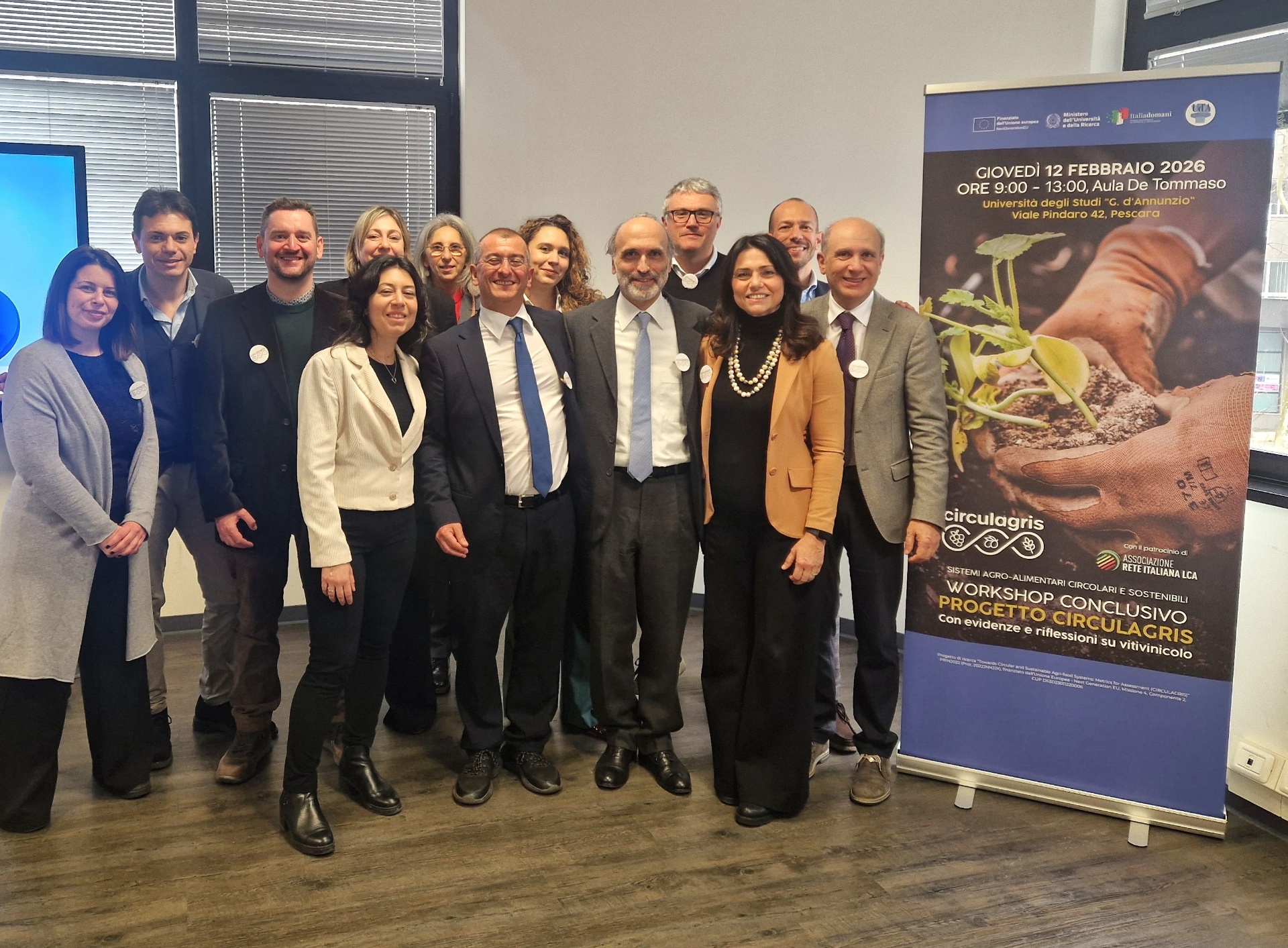
The project establishes the participation of 3 Italian Research Units:
- RU1 — University "G. d'Annunzio" of Chieti-Pescara (Abruzzo) — Leader of the project
- RU2 — University of Messina (Sicily)
- RU3 — University "Aldo Moro" of Bari (Apulia)
3
Supply Chains Analysed
3
Research Units
25
Research Outputs
28
Months of Research
Objectives
Objectives

Developing a framework to assess the sustainability implications of three supply chains in the Italian agri-food sector.

Generating knowledge regarding methodological choices for applying life cycle-based methodologies to food products within circular supply chains.

Identifying circularity assessment methodologies and indicators tailored to the agri-food sector.

Establishing an approach linking circularity and sustainability assessment to aid decision-makers in making supply chains more circular while ensuring increased sustainability.

Identifying best practices, considering sustainability impacts, for structuring wine, olive oil, and bread/pasta supply chains.
Research Team
Our Researchers
An interdisciplinary team with expertise in the Circular Economy, sustainability, Life Cycle Thinking and agri-food systems.
Research Units
University "G. d'Annunzio" of Chieti-Pescara
As the CIRCULAGRIS project leader, the Chieti-Pescara team boasts extensive experience in multi- and interdisciplinary research on sustainability. The members of the unit have gained many years of consolidated research experience in Life Cycle Assessment (LCA) applied to agri-food systems.
Principal Investigator: Prof. Andrea Raggi
University of Messina
The Messina unit has experience in multi- and interdisciplinary research projects, at national and international level, where Life Cycle Thinking (LCT) tools and methods have been applied to the agri-food system, focusing specifically on the wine supply chain, mapping circular systems and adapting circularity metrics.
Unit Leader: Prof. Roberta Salomone

University of Bari Aldo Moro
The Bari unit focuses on the Environmental Life Cycle Costing (LCC) in the bread and pasta supply chains and the olive oil industry, aiming at the integration of LCA, LCC and S-LCA for the evaluation of circular systems and the definition of economic, environmental and social indicators.
Unit Leader: Prof. Bruno Notarnicola
Project Phases
Research Roadmap
01
Phase 1 — State-of-the-art and literature review
- Step 1.1 — Identifying circularity assessment methods and indicators for the agri-food sector
- Step 1.2 — Defining circular systems in the selected agri-food supply chains
- Step 1.3 — Identifying suitable circularity assessment methods and indicators for the selected supply chains
02
Phase 2 — Methodological development
- Step 2.1 — Adapting Life Cycle Thinking (LCT) methods for the agri-food sectors
- Step 2.2 — Integrating the various sustainability issues and the circularity metrics
03
Phase 3 — Applicative research
- Step 3.1 — Assessing circularity and sustainability of the selected supply chains
- Step 3.2 — Comparing system circularity and sustainability through scenario analysis
04
Phase 4 — Dissemination and communication
Dissemination of results through scientific publications, conferences, and stakeholder engagement activities.
Research Activities
Research Results
Explore the scientific outputs of the CIRCULAGRIS project.
Contact
Contact Us
Interested in the CIRCULAGRIS project or want to learn more about our research activities? Get in touch.
Universita degli Studi G. d'Annunzio Chieti-Pescara
Viale Pindaro 42, 65127 Pescara, Italy
circulagris@gmail.com
(c) 2024 CIRCULAGRIS - PRIN 2022 | Universita degli Studi G. d'Annunzio Chieti-Pescara
Project "Towards circular and sustainable agri-food systems: metrics for assessment (CIRCULAGRIS)" PRIN2022 (Research Project of National Interest) funded by the European Union - Next Generation EU, Mission 4, Component 2, CUP D53D23011220006.